
BactoAI: Research predictions from assembled genomes.
BactoAI model statistics
BactoAI model statistics
- 97.1%sensitivity / 96.4% specificityMeropenem, internal hold-out, n=125
- Under 10 minutesUnder 10 minutes from an assembled genomeSequencing and assembly come first
- 33 antibiotics currently modeled, with more plannedMeropenem · Ciprofloxacin · Cefotaxime
A silent pandemic is outpacing the drugs we have to fight it.
Source: The Lancet, 2022, global bacterial AMR burden estimate for 2019.
Source: Review on Antimicrobial Resistance, 2015. Older modeled projection, not a measured outcome.
Source: Review on Antimicrobial Resistance, 2015. Older modeled projection, not a measured outcome.
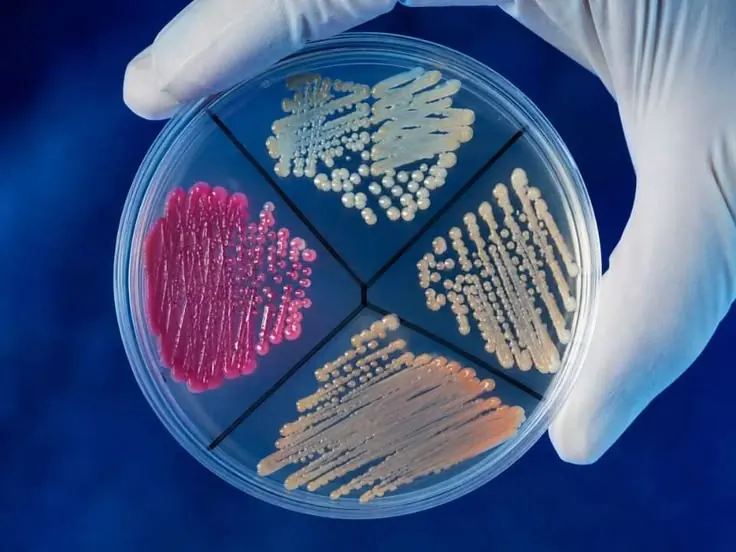
"Antimicrobial resistance is one of the top ten global public health threats facing humanity."
Antimicrobial resistance is one of the greatest global health threats.
Traditional culture-based diagnostics delay clinical decisions, contributing to inappropriate antibiotic use, prolonged hospital stays, and increasing antimicrobial resistance.
Estimated deaths attributable to bacterial AMR in 2019. Source: The Lancet, 2022 (doi:10.1016/S0140-6736(21)02724-0).
A further 16-20 hours of incubation for phenotypic testing after isolation. BactoAI: Under 10 minutes from an assembled genome. Sequencing and assembly come first.
BactoAI is a research prototype, not approved for clinical use. It supports phenotypic susceptibility testing and does not replace it.
Meet BactoAI
BactoAI is a research prototype for antimicrobial resistance prediction. Under 10 minutes from an assembled genome; sequencing and assembly come first. It is most useful for isolates already sequenced, for example in surveillance.
Clinical presentation & bacterial infection identified.
Bacterial isolate collected from the patient.
Sequencing and assembly → assembled genome (FASTA).
ML models analyze genomic features.
Resistance profile & confidence per antibiotic.
Research prototype; supports, not replaces, phenotypic susceptibility testing.
Loading demonstration…